OXY301 – Welding Fume Awareness
Awareness Programme – CoSHH Compliance & Practical Control
This structured awareness programme provides welders, supervisors and duty holders with practical knowledge to control exposure to welding fume in accordance with CoSHH Regulations and current HSE guidance.
Welding fume is classified as a Group 1 carcinogen. The HSE requires exposure to be prevented or adequately controlled in all welding activities, including mild steel.
OXY301 equips delegates with the understanding required to recognise risk, use Local Exhaust Ventilation (LEV) systems correctly, and demonstrate compliance under Regulations 6–12 of CoSHH.
Who Should Attend
- Welders and fabricators
- Supervisors and team leaders
- Health & Safety practitioners
- Maintenance personnel responsible for LEV systems
- Project managers overseeing welding activities
- Duty Holders responsible for exposure control
Why This Course Matters
Major infrastructure and other construction projects where welding processes are undertaken are subject to increased regulatory scrutiny. The presence of fume extraction alone is often not sufficient — employers must demonstrate that exposure is adequately controlled and that employees understand how to use control measures properly.
This course enables delegates to:
- Understand the health risks associated with welding fume
- Recognise legal duties under COSHH Regulations (Reg 6–12)
- Apply the Hierarchy of Control to welding operations
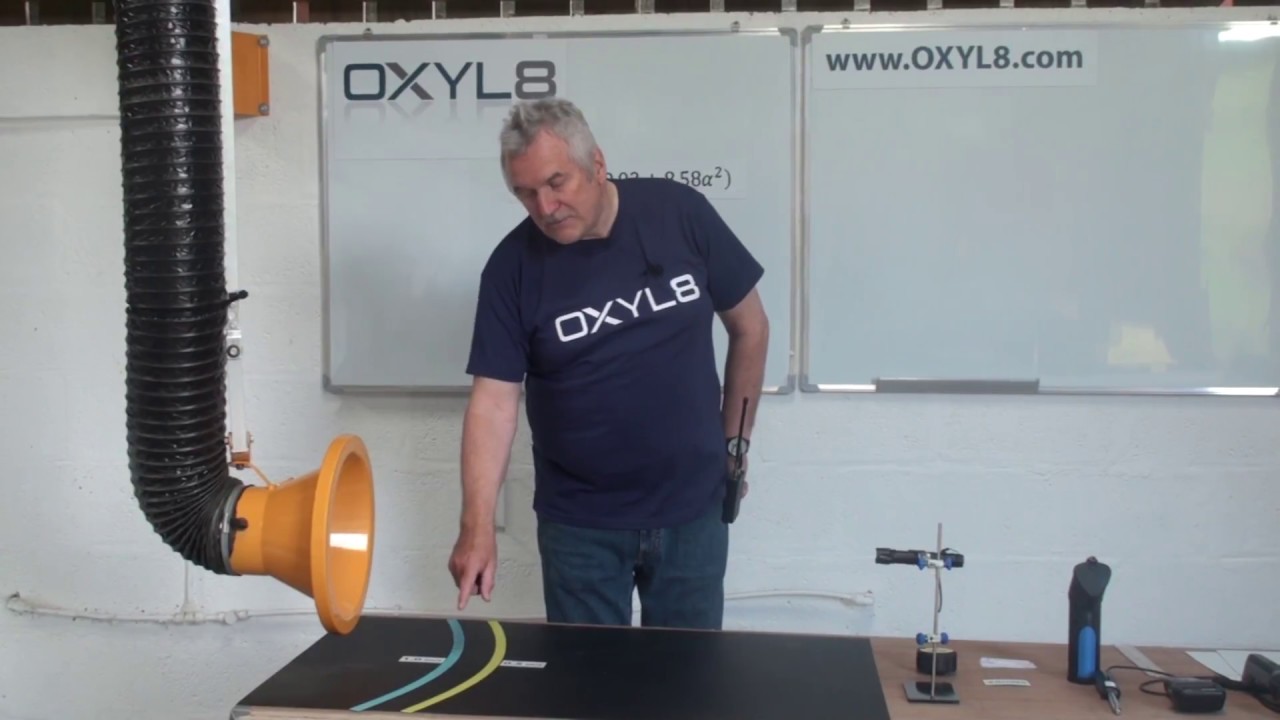
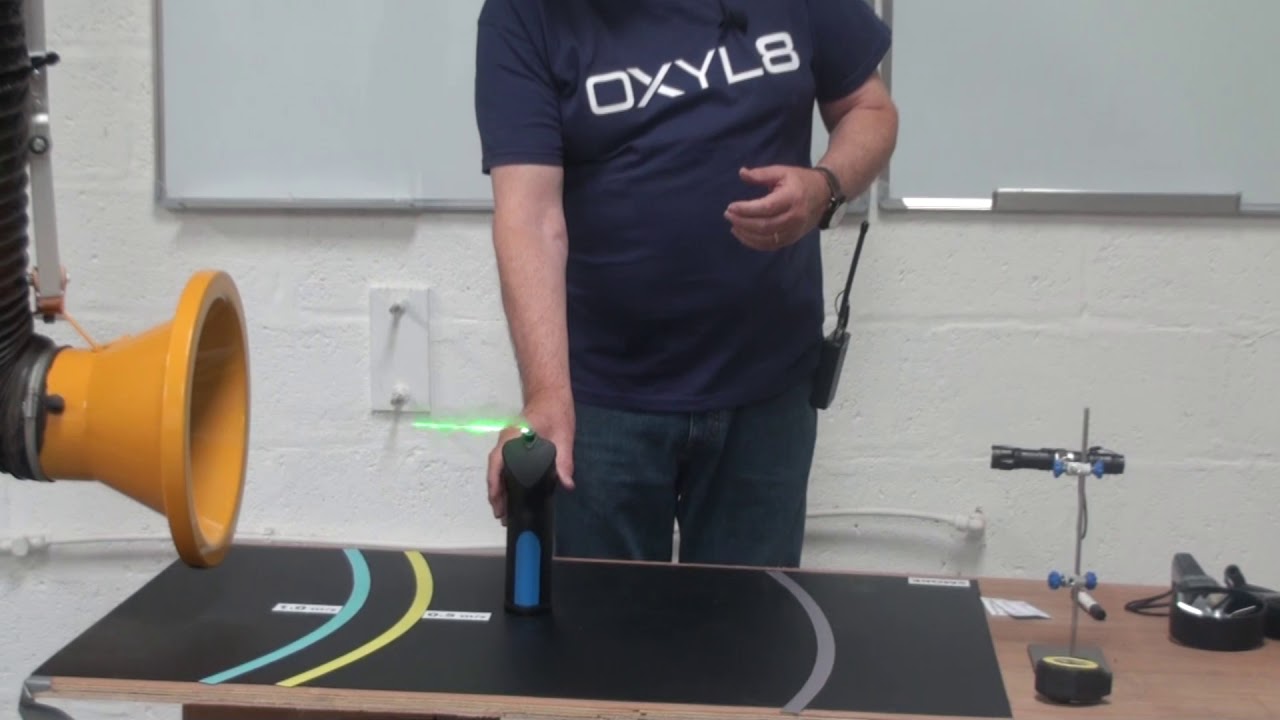
- Understand how LEV systems capture fume at source
- Position extraction hoods correctly and recognise capture distance limits
- Interpret LEV test labels and examination dates
- Complete and maintain LEV logbooks appropriately
- Identify common LEV faults and unsafe conditions
- Take appropriate action when defects are identified (STOP – REPORT – RECORD)
Programme Overview
Health Risk & Exposure
- Welding fume as a Group 1 carcinogen
- Long-term and short-term health effects
- Industry exposure statistics
COSHH Legal Framework
- Regulation 6 – Risk Assessment
- Regulation 7 – Prevention or Adequate Control
- Regulation 8 – Use of Controls and Reporting Defects
- Regulation 9 – Maintenance & Thorough Examination and Testing
- Regulation 12 – Information, Instruction and Training
- HSE enforcement powers and consequences of non-compliance
Hierarchy of Control for Welding
- Elimination and substitution considerations
- Engineering controls – LEV systems
- Administrative controls
- RPE as the last line of defence
Route to Control – How LEV Works
- Capture at source principles
- Breathing zone awareness
- Hood positioning and capture distances
- Effects of draughts and poor positioning
Inspection, Labels & Logbooks
- Understanding LEV test labels
- Daily and weekly user checks
- Defect reporting procedures
- Evidence of compliance under Regulation 9
Common LEV Issues
- Damaged ducting and flexible hose collapse
- Blocked filters
- Incorrect hood design or positioning
- Systems used outside design intent
Delivery Format
Available as:
- Face-to-face in-house delivery (2–3 hours theory + practical demonstration)
- Learn.OXYL8 licensed digital module (approx. 2.5–3 hours)
- Blended option – Digital completion plus on-site practical instruction & verification
Certification
- OXYL8 Certificate of Attendance (Face-to-Face)
- Learn.OXYL8 Digital Certificate of Completion (Online)
- BOHS Endorsed Course Certification – in process
This course supports compliance with COSHH Regulation 12.
Pre-Requisites
No formal qualifications required. Suitable for operational users, supervisory staff and duty holders.
Fees
Face-to-face on-site delivery – pricing available on enquiry (use form opposite)
Digital Licence (12 Months Access): £95 + VAT per delegate
Project-wide and enterprise licence options available on request.
When BOHS Endorsed – if a “BOHS Endorsed Certificates” are required cost per delegate is £60 (+VAT).
Professional Standards with OXYL8
This programme is delivered by practitioners experienced in CoSHH compliance and Local Exhaust Ventilation systems across construction, infrastructure and industrial sectors.
The focus is on practical understanding, regulatory clarity and strengthening confidence when managing welding fume exposure in real working environments.



 LinkedIn Profile